Earthquake-Resistant House Construction in Nepal: Complete Guide
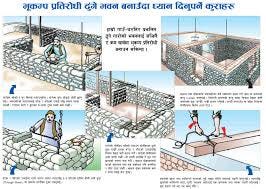
Nepal lies in one of the world’s most seismically active regions due to the collision of the Indian and Eurasian tectonic plates. The devastating earthquakes in the past have clearly shown that poorly designed and improperly constructed buildings pose the greatest risk to life and property. As a result, earthquake-resistant house construction is no longer optional in Nepal — it is a necessity.
This guide explains the key principles, construction methods, materials, and best practices required to build a safe and earthquake-resistant house in Nepal.
Why Earthquake-Resistant Construction Is Essential in Nepal
Most structural failures during earthquakes occur due to weak foundations, poor-quality materials, lack of reinforcement, and non-compliance with building codes. Earthquake-resistant construction does not mean the building will never crack; instead, it ensures the structure can absorb seismic energy, deform safely, and prevent sudden collapse, giving occupants time to escape.
Key Principles of Earthquake-Resistant Design
1. Strong and Proper Foundation
A well-designed foundation distributes seismic forces evenly to the ground. The type of foundation depends on soil conditions, building height, and load. Proper soil testing before construction is critical to avoid settlement and structural imbalance.
2. Symmetrical Building Design
Buildings with simple, symmetrical shapes perform better during earthquakes. Irregular shapes create stress concentration points that increase the risk of collapse.
3. Load Path Continuity
All parts of the structure — foundation, columns, beams, slabs, and walls — must be well connected so earthquake forces can transfer safely from the roof to the ground.
4. Ductile Structural Elements
Ductility allows a building to bend without breaking. Reinforced concrete (RCC) with proper steel detailing ensures flexibility during seismic movement.
Recommended Construction Methods in Nepal
Reinforced Concrete (RCC) Frame Structure
This is the most widely recommended system in Nepal. RCC frames with infill brick or block walls provide strength, flexibility, and durability when designed as per seismic standards.
Confined Masonry
Popular in low-rise residential buildings, confined masonry uses reinforced concrete bands and columns around brick walls, significantly improving earthquake performance.
Retrofitting Traditional Houses
Older stone or mud houses can be strengthened using seismic bands, steel ties, and wall reinforcements without full demolition.
Essential Earthquake-Resistant Components
- Plinth Band: Prevents differential settlement
- Lintel Band: Controls wall cracks above doors and windows
- Roof Band: Ensures structural integrity at roof level
- Shear Walls: Resist horizontal earthquake forces
- Quality Reinforcement Steel: Proper spacing and anchorage are critica
Role of Building Codes and Regulations
Nepal National Building Code (NBC) provides clear guidelines for seismic-resistant design. Municipal approvals now require structural drawings, soil test reports, and engineer certification. Following NBC standards significantly reduces earthquake risk.
Common Mistakes to Avoid
- Using low-quality cement, sand, or steel
- Ignoring soil testing
- Improper column and beam connections
- Unauthorized design changes during construction
- Lack of supervision by qualified engineers
Conclusion
Earthquake-resistant house construction in Nepal is a life-saving investment rather than an added cost. By following proper design principles, using quality materials, adhering to national building codes, and working with qualified professionals, homeowners can significantly reduce earthquake damage risks.
A structurally sound house not only protects lives but also ensures long-term durability, higher property value, and peace of mind in a country as seismically vulnerable as Nepal.


Comments
Post a Comment